Croydon is proposing a 2027/28 budget that builds on progress in its financial recovery and supports the Mayor’s commitment to restore pride in Croydon. The proposals focus not only on reducing costs, improving efficiency and generating sustainable income, but also on doing things differently, with a greater emphasis on prevention and early intervention to improve outcomes for residents whilst building a more sustainable Council for the future.
Published ahead of Cabinet on Wednesday 14 October, the Council’s Medium-Term Financial Strategy (MTFS) sets out its financial position, budget proposals for 2027/28 and forecasts for the following four years.
Croydon’s overall budget for 2027/28 is £568m. This funding supports essential services for the borough’s 410,000 residents, from protecting vulnerable children and adults, to collecting bins and keeping streets clean and safe. Published alongside the budget, the Mayor’s Delivery Plan sets out how the Council will deliver the Mayor’s priorities over the coming years. Together, these documents connect financial recovery with higher standards and better services for residents.
The Council is driving the next stage of its financial recovery, working alongside its government-appointed commissioners to meet its Best Value Duty to residents and build a more sustainable future. The proposals reflect the Council’s financial strategy, including driving down costs in major spend areas where expenditure is highest, delivering efficiency savings, identifying further savings opportunities that continue to be developed and increasing income where it is reasonable and appropriate to do so. Whilst there has been progress, difficult decisions continue to be required to support long-term financial sustainability.
The proposals have been developed against a backdrop of rising demand and inflationary pressures on services which support the borough’s most vulnerable residents. These include adult and children’s social care, temporary accommodation for people at risk of homelessness, and support for children and young people with Special Educational Needs and Disabilities (SEND). While financial sustainability remains essential, the proposals are not solely about reducing expenditure. They also focus helping residents receive support earlier, improving outcomes and reducing pressures on public services over time.
Despite these challenges, the Council remains committed to keeping any council tax increase within the limit expected to be set by government for London boroughs. The budget proposes a 2.99% increase in council tax, alongside the 2% adult social care precept that government expects all councils to apply, making a total increase of 4.99%.
Since 2020, the Council has relied on Exceptional Financial Support (EFS) as it works to address the impact of historic financial and governance failures. EFS, which is provided by central government, is not a long-term solution and currently costs the Council around £95 million a year in repayments.
Progress is being made to reduce this borrowing and to make the Council more efficient and cost-effective. The budget proposals include initiatives such as using LED street lighting, estimated to save £1.9 million annually and reduce energy consumption, and accepting trade waste at Household Reuse and Recycling Centres as a way of generating income whilst extending opening hours.
The budget forecasts borrowing will reduce from £120.7 million to £76.3 million between 2027/28 and 2030/31, helping the Council become more financially sustainable. We will continue to look for ways to improve this position further.
These proposals represent an important stage in the budget-setting process rather than the final position. Feedback, further development of proposals and ongoing financial planning will help inform recommendations ahead of the final budget in February.
The draft budget proposals, Medium-Term Financial Strategy and Mayor’s Delivery Plan can be viewed in full on the Council’s website.
These budget proposals are not final decisions. The proposals will be discussed by Cabinet at the Town Hall on Wednesday 14 October. This will be followed by public engagement, opening on 19 October, giving residents, businesses and community groups the opportunity to share their views before final decisions are made.
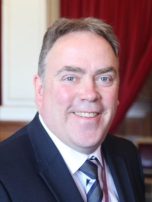
“I remain determined to restore pride in Croydon by getting the Council’s finances under control, demanding high standards and delivering better services for local people. We have made progress, but there is more to do to repair the damage of past financial failures and put the Council on a sustainable footing.
“This proposed budget marks an important next stage in that journey. It is not simply about reducing costs. It is about doing things differently, focusing more on prevention and early intervention, improving outcomes for residents and ensuring support reaches people earlier, helping prevent issues from escalating wherever possible.
“We will continue to reduce costs, improve efficiency and find sensible ways to generate income, whilst prioritising essential services. I know household budgets remain under pressure. Our proposed Council Tax increase is 4.99%, and we have ruled out going above the normal government limit because that would place an unfair additional burden on residents.
“I will be open about the difficult choices ahead and take responsibility for the decisions we make. Residents deserve to understand what we are proposing, why it is necessary and what it would mean for them.
“These are draft proposals, and your views matter. Our budget consultation opens on 19 October, and I encourage residents, businesses and community groups to take part and help shape the final budget.”
Jason Perry, Executive Mayor of Croydon