Croydon Council is marking Restorative Justice Week (15-21 November) by highlighting how restorative justice is helping children understand the impact of their actions, take responsibility and make positive changes whilst helping their victims move past what happened.
One youth who caused significant disruption to rail services in South London has been supported by Croydon Youth Justice Service’s Restorative Justice team, helping them learn from their mistakes and build a more positive future.
Over four days in May 2025, this person illegally entered restricted areas on trains causing widespread disruption and putting themselves and others at risk.
Following an investigation by British Transport Police, they were offered an out-of-court resolution rather than enter the court system. Restorative justice was explored as part of this resolution. Restorative justice allows a child who has committed an offence and the person harmed by their actions to communicate in a way that helps both move forward.
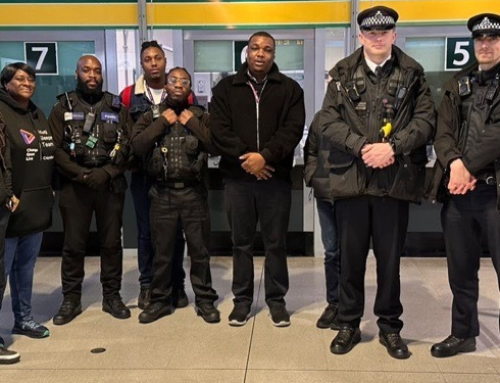
Croydon Youth Justice Service’s Restorative Justice Team and Southern Railway worked with the youth to help them understand the consequences of their actions, take responsibility and reduce the risk of reoffending.
As part of the process, they took part in a face-to-face restorative conference with Ross Evans, Southern Railway’s Safety and Security School Engagement Manager, who explained the impact that interference with safety systems can have on passengers, staff and the wider network. They also channelled their interest in public transport in a positive way, learning about careers in the rail industry and producing a safety poster which is now on display at Purley station.
The child, who cannot be named, said: “I didn’t realise that what I did would affect so many people, cause so many delays and cost so much money. I’ve learned a lot about the railway and really enjoyed finding out about becoming a train driver.”
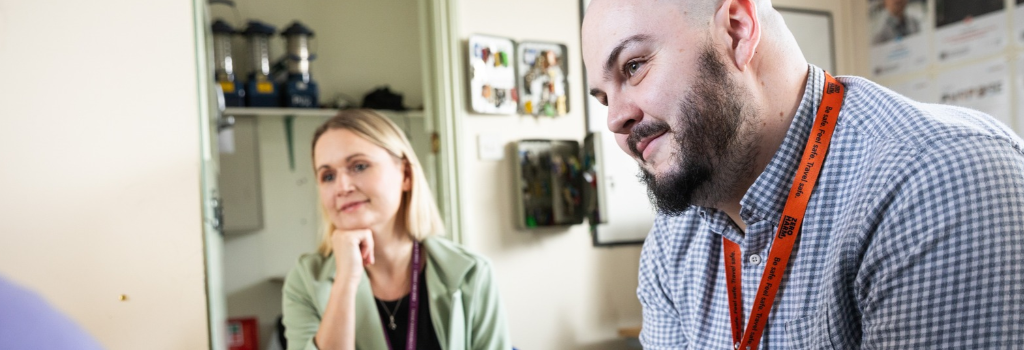
Leanne Nye from Croydon’s Restorative Justice Team said: “I was proud of the way they engaged with the restorative justice process. For a child with additional needs who can find it difficult to understand emotions and other people’s feelings, this could easily have felt overwhelming.
“We adapted the process around their learning needs, using visuals, emotion cards and simple, step-by-step explanations. The learning process was not always easy but we adapted our approach and supported them to stay involved.
“Being able to hear directly about the impact of their actions and take ownership was a significant step.”
Ross Evans, Southern Railway’s Safety and Security School Engagement Manager, said: “The live railway is not a place to mess around, and the impact of trespass is felt far and wide across our network with thousands of passengers being disrupted, and could have had very severe consequences.
“I’m confident that through this type of resolution young people will understand the impact of their behaviour, want to put things right, and change their attitude towards the railway.”
Croydon’s Restorative Justice Team worked on nearly 200 cases over the last year, supporting both children aged 10 to 18 who had caused harm, as well as the people affected by their actions.
The service provides young people with the opportunity to reflect on their behaviour, understand the impact it has had on others and, where appropriate, take steps to repair some of the harm caused. This can include answering questions from victims, writing letters of apology or explanation, exchanging messages through practitioners or taking part in a face-to-face meeting. The approach is led by the needs of the victim, helping to provide answers, closure and an opportunity to move forward.
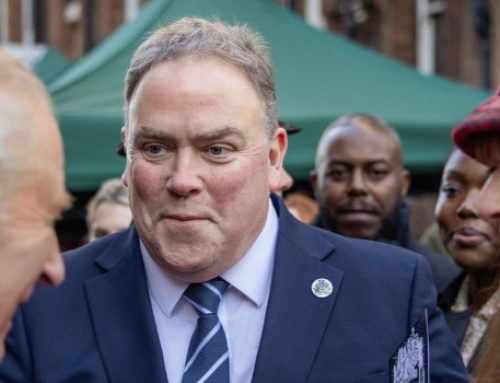
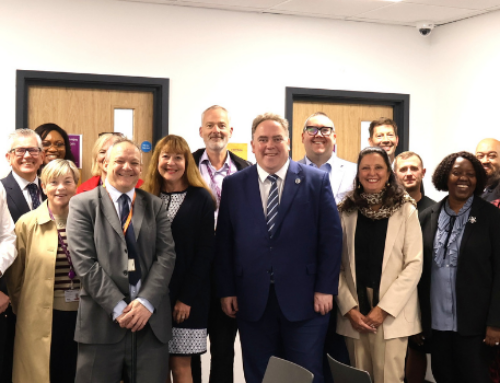
Executive Mayor Jason Perry said: “As we mark Restorative Justice Week, this case highlights the positive impact restorative justice can have. It gives children the opportunity to understand the real-world consequences of their actions, take responsibility and make amends.
“This case shows what can be achieved when we work with partners to help a child learn from their mistakes and build a more positive future.
“Our Restorative Justice Team supports hundreds of children, victims and families each year. By helping young people understand the impact of their actions whilst giving victims a voice in the process, restorative justice can prevent reoffending, repair harm and help young people make better choices for their future.”